
The Importance of Daily Engagement Activities in Assisted Living


The Role of Engagement in Assisted Living
Daily engagement activities in assisted living facilities play a vital role in enhancing the quality of life for residents. These activities are not just about passing the time; they are essential for maintaining mental, emotional, and physical well-being. By participating in structured activities, residents can experience a sense of purpose and fulfillment.
Physical Health Benefits
Regular engagement in physical activities can significantly improve the health of assisted living residents. Exercise classes, walking clubs, and dance sessions help in maintaining mobility, improving strength, and reducing the risk of falls. These activities are tailored to meet the varying capabilities of residents, ensuring that everyone can participate and benefit.
In addition to physical health, these activities also support cognitive function. Research suggests that regular physical activity can help delay the onset of cognitive decline and improve overall brain health. This is particularly important in assisted living, where maintaining cognitive abilities is a priority.
Emotional and Social Well-being
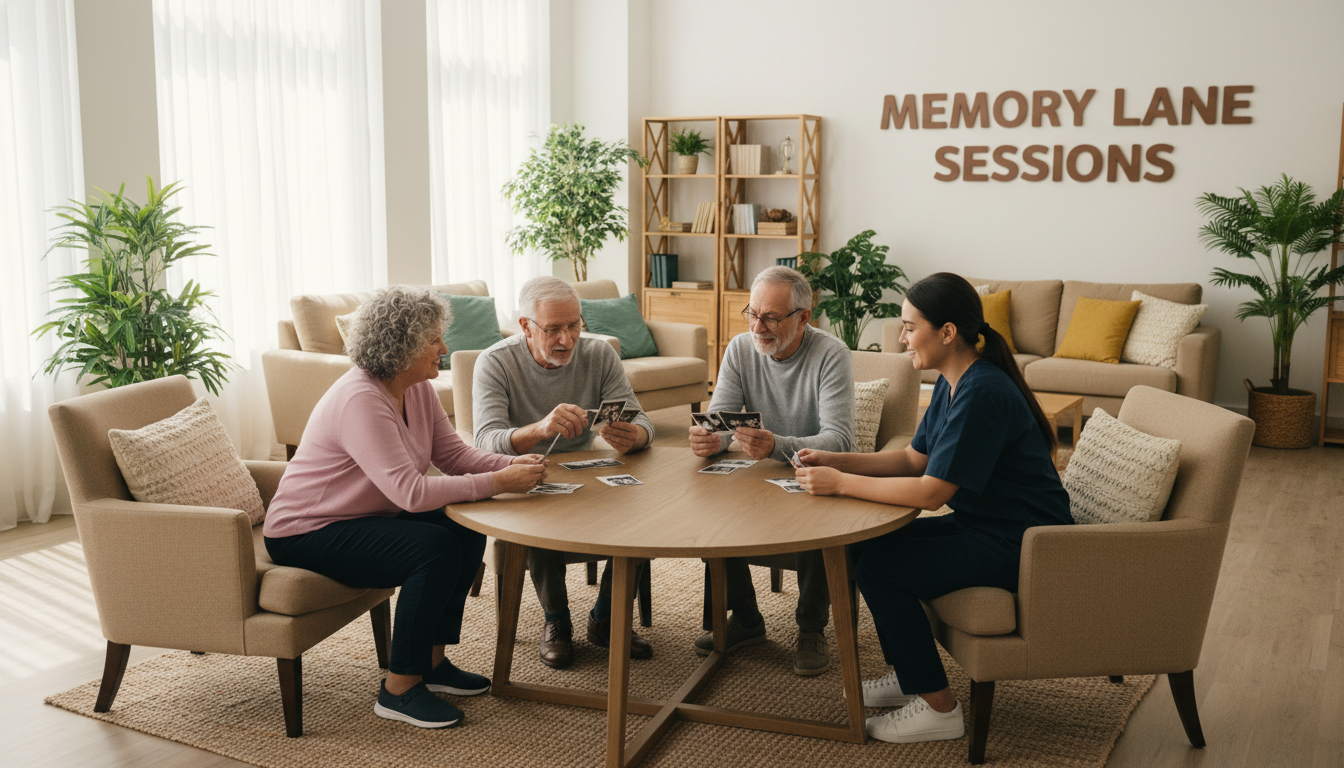
Daily engagement activities also play a critical role in promoting emotional and social well-being. Activities such as art classes, music therapy, and group games provide residents with opportunities to express themselves creatively and connect with others. These interactions can help reduce feelings of isolation and loneliness, which are common in senior populations.

Social engagement is crucial for mental health, providing residents with a sense of community and belonging. Participating in group activities helps in building friendships and support networks, which are essential for emotional resilience and happiness.
Cognitive Stimulation and Mental Agility
Engagement activities that stimulate the mind are essential for maintaining mental agility. Activities such as puzzles, trivia games, and book clubs encourage residents to think critically and engage in intellectual discussions. These activities promote lifelong learning and keep the mind sharp.
Moreover, cognitive stimulation can lead to improved memory and attention span, helping residents maintain independence and confidence in their daily lives.

Creating a Personalized Experience
Assisted living facilities strive to create personalized engagement experiences for each resident. By understanding individual preferences and interests, staff can tailor activities that resonate with each person. This personalized approach ensures that residents are more likely to participate and enjoy their time.
Incorporating feedback from residents is also crucial. Regularly updating and diversifying the activities offered keeps engagement fresh and exciting, encouraging ongoing participation and enthusiasm.
The Impact of Family Involvement
Family involvement in engagement activities can amplify their benefits. Encouraging family members to participate in events or visit during activities can strengthen bonds and provide additional emotional support for residents. This connection is invaluable for maintaining a positive outlook and enhancing overall well-being.
In conclusion, daily engagement activities in assisted living are not just beneficial; they are essential. They enhance physical health, foster emotional and social connections, stimulate cognitive function, and create a vibrant and supportive community. By prioritizing these activities, assisted living facilities can significantly improve the quality of life for their residents.