
Aging in Place: The Value of Familiar Environments for Seniors


Understanding Aging in Place
Aging in place refers to the ability of seniors to live in their own homes and communities safely, independently, and comfortably, regardless of age, income, or ability level. This concept emphasizes the importance of staying in familiar environments, which can have significant benefits for seniors' mental and emotional well-being.
Remaining in a familiar setting can help seniors maintain their routines and social connections, which are critical for their overall health. When seniors stay in their own homes, they can continue to engage with neighbors, participate in local activities, and enjoy the comfort of their personal space.

The Psychological Benefits of Familiar Environments
Familiar environments play a crucial role in reducing stress and anxiety among seniors. Moving to a new place can be overwhelming, leading to feelings of confusion and loneliness. Staying in a known environment allows seniors to feel more secure and in control of their lives.
Moreover, being surrounded by cherished memories and personal belongings can provide a sense of continuity and identity. This familiarity can contribute to a stronger sense of self and help seniors navigate the challenges of aging with greater resilience.

Practical Considerations for Aging in Place
While the benefits are clear, aging in place also requires careful planning. Here are some key considerations:
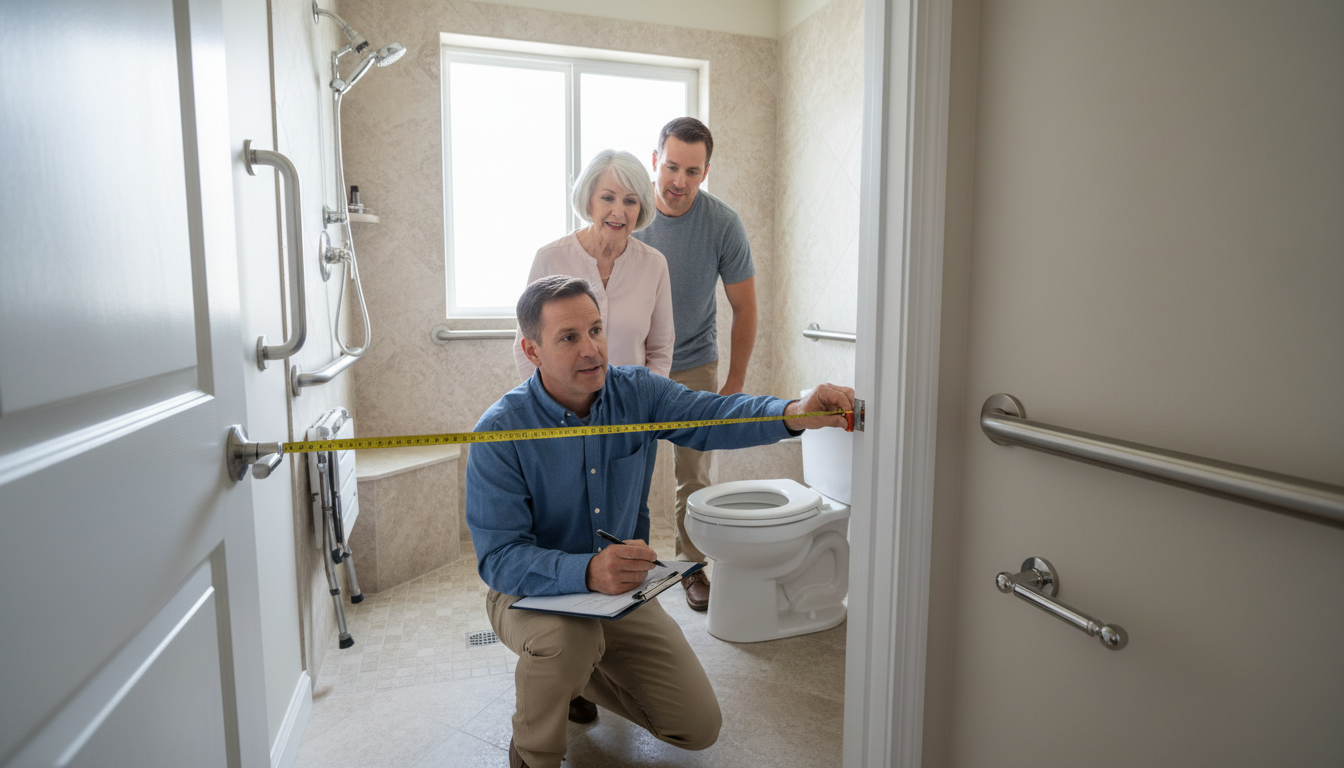
- Home Modifications: Simple adjustments like installing grab bars, ramps, and non-slip flooring can enhance safety and accessibility.
- Healthcare Access: Ensure that there is easy access to healthcare services, either through home visits or nearby facilities.
- Community Support: Engage with local community services that offer support and activities for seniors.
Technology's Role in Supporting Aging in Place
Technology can significantly aid seniors in living independently. Devices such as medical alert systems, smart home technologies, and communication tools can enhance safety and connectivity. For instance, wearable health monitors can track vital signs and alert caregivers in case of an emergency.
Furthermore, video calls and social media platforms can help seniors stay connected with family and friends, reducing the risk of isolation and loneliness.
The Community's Role in Facilitating Aging in Place
Communities play an essential role in supporting seniors who choose to age in place. Local governments and organizations can offer resources such as transportation services, meal delivery, and social activities tailored to seniors' needs.
Creating age-friendly communities that prioritize accessibility and inclusivity can make a significant difference in the quality of life for seniors. Encouraging neighborhood involvement and fostering a sense of community can help seniors feel valued and supported.

Conclusion: Embracing Aging in Place
Aging in place provides seniors with the opportunity to enjoy their later years in comfort and security. By understanding the value of familiar environments and planning effectively, seniors can maintain independence and enjoy a fulfilling life. Communities, families, and technology all play vital roles in making this possible.
As we continue to explore ways to support aging in place, it's essential to listen to seniors' needs and preferences, ensuring they can remain active and engaged members of their communities.