
Aging in Place: The Importance of Familiarity and Comfort


Understanding Aging in Place
Aging in place refers to the ability of older adults to live in their own homes and communities safely, independently, and comfortably, regardless of age, income, or ability level. This concept has become increasingly popular as it allows individuals to maintain their dignity and quality of life.
One of the key aspects of aging in place is the emphasis on familiarity and comfort. For many seniors, staying in a familiar environment surrounded by cherished memories and personal belongings can have a significant positive impact on their mental and emotional well-being.
The Role of Familiarity
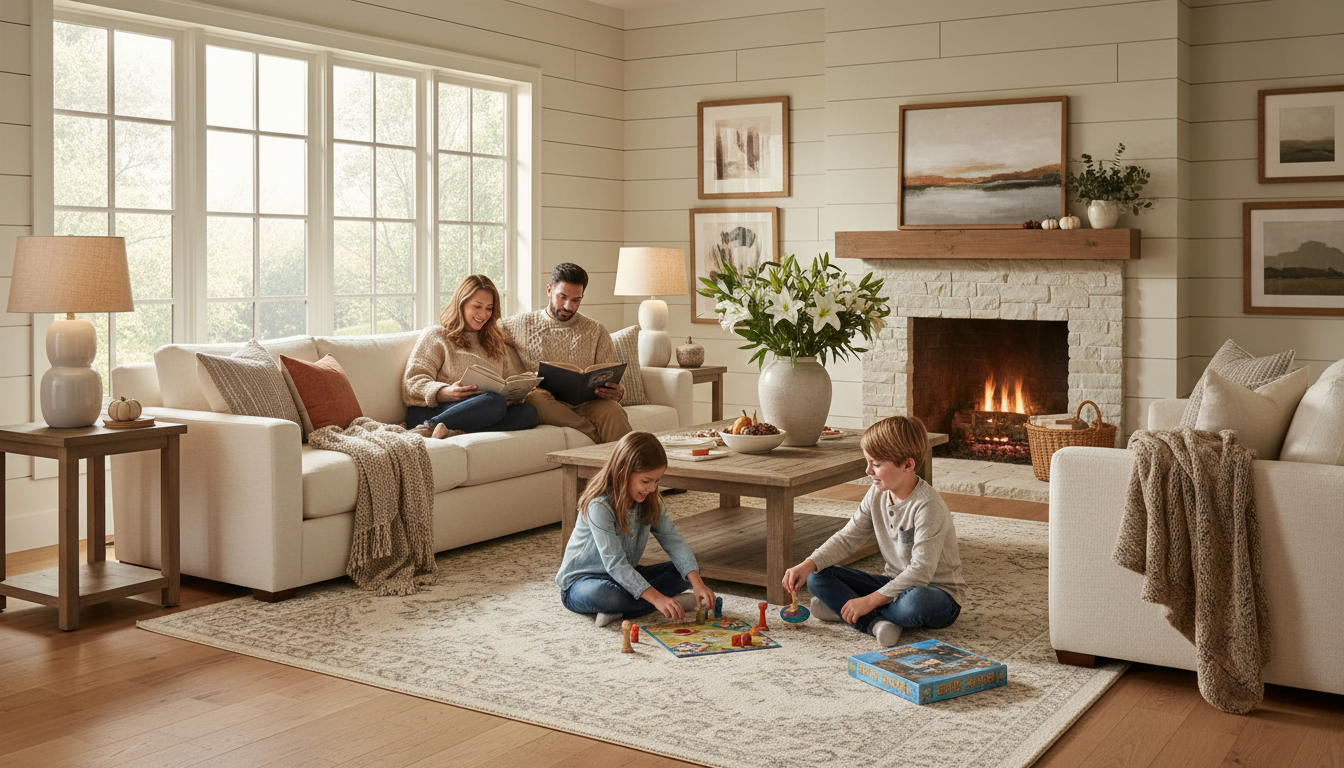
Familiar surroundings provide a sense of security and stability, which is especially important for seniors. Being in a known environment helps reduce stress and anxiety, which can often accompany aging. The layout of the home, the neighborhood, and even the local community services contribute to this comforting sense of belonging.
Moreover, familiarity can aid in cognitive health. For individuals dealing with memory-related issues, being in a familiar setting can trigger memories and make daily navigation easier, supporting cognitive functions.
Maintaining Independence
Independence is another crucial factor for those aging in place. Many seniors value their ability to make decisions about their daily routines and lifestyle. This independence is often easier to maintain in a familiar environment where they can manage their own space and live according to their preferences.
Enhancing Comfort at Home
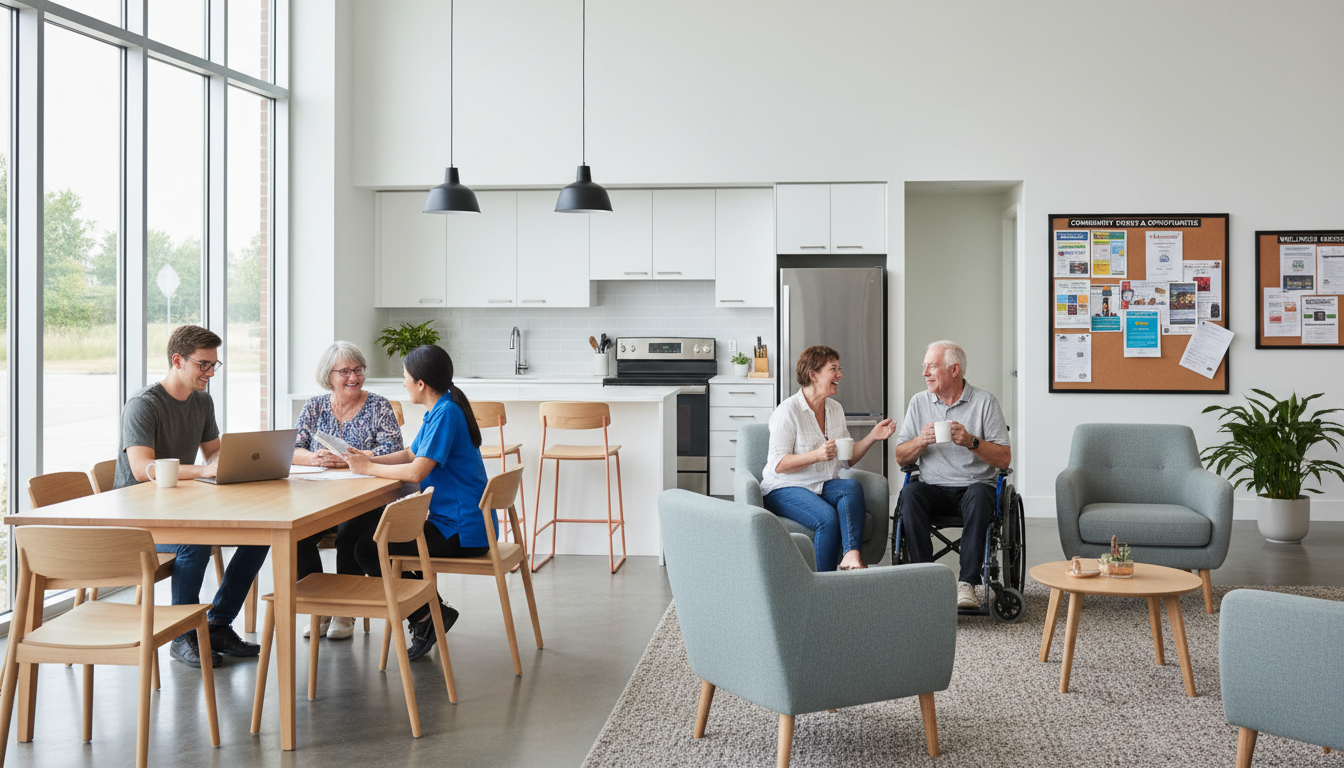
Comfort is not just about physical ease but also emotional and psychological well-being. Creating a home environment that supports these aspects is essential for aging in place. This can include:
- Modifying homes to enhance safety and accessibility
- Incorporating technology to assist with daily tasks
- Ensuring access to healthcare services
By addressing these areas, seniors can live more comfortably in their own homes, reducing the need for institutional care.
Community Connections
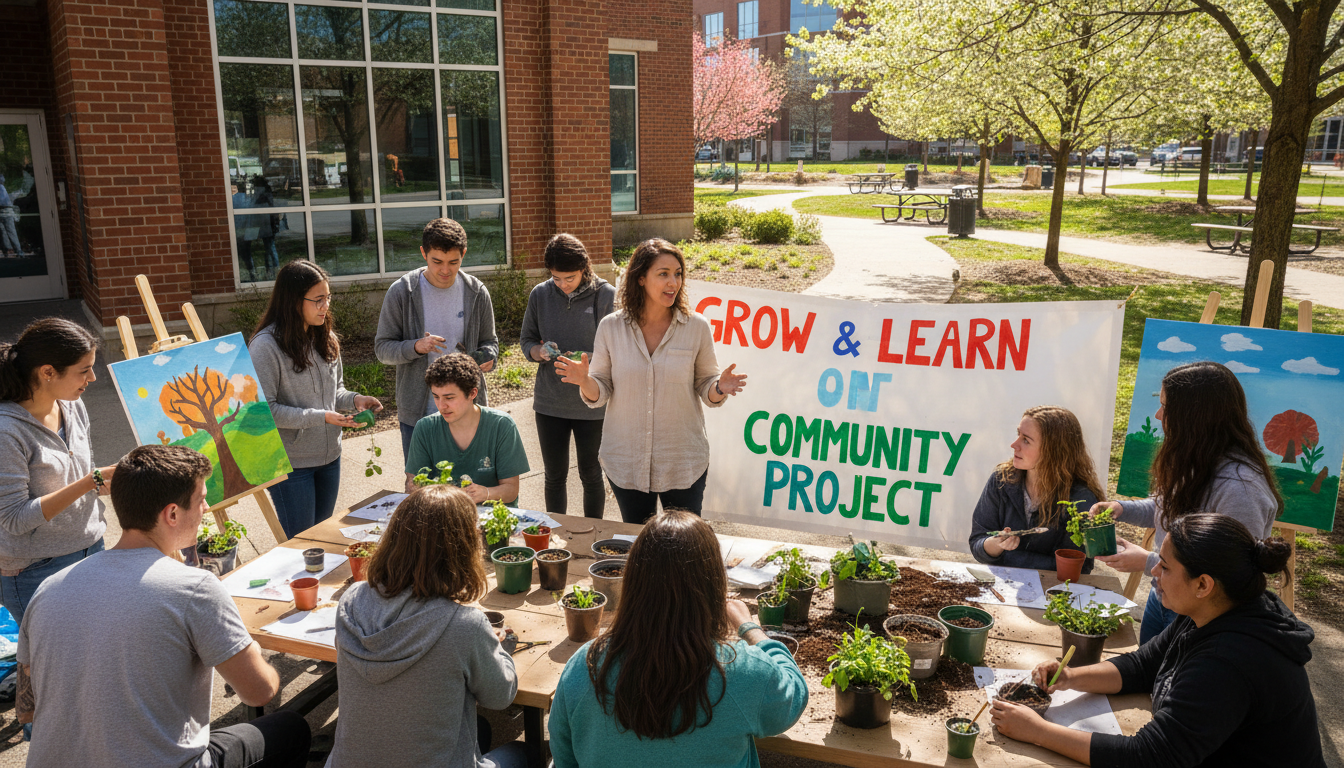
Staying connected with the community is another significant aspect of aging in place. Social interactions and community involvement can greatly enhance a senior's quality of life. Engaging in local events, maintaining friendships, and having access to community resources can prevent feelings of isolation.
Conclusion
Aging in place is a holistic approach that prioritizes the needs and preferences of older adults. By focusing on familiarity and comfort, seniors can enjoy a higher quality of life, maintaining their independence and connections to their community. As society continues to evolve, supporting this choice will be increasingly important for enhancing the lives of our aging population.