
Aging in Place: The Benefits of Staying in a Familiar Environment


The Comfort of Familiar Surroundings
Aging in place is a concept that resonates strongly with many older adults. It involves staying in one's own home and community as they grow older, maintaining a sense of independence and comfort. The familiarity of one's environment plays a crucial role in emotional well-being, providing a sense of security and continuity.
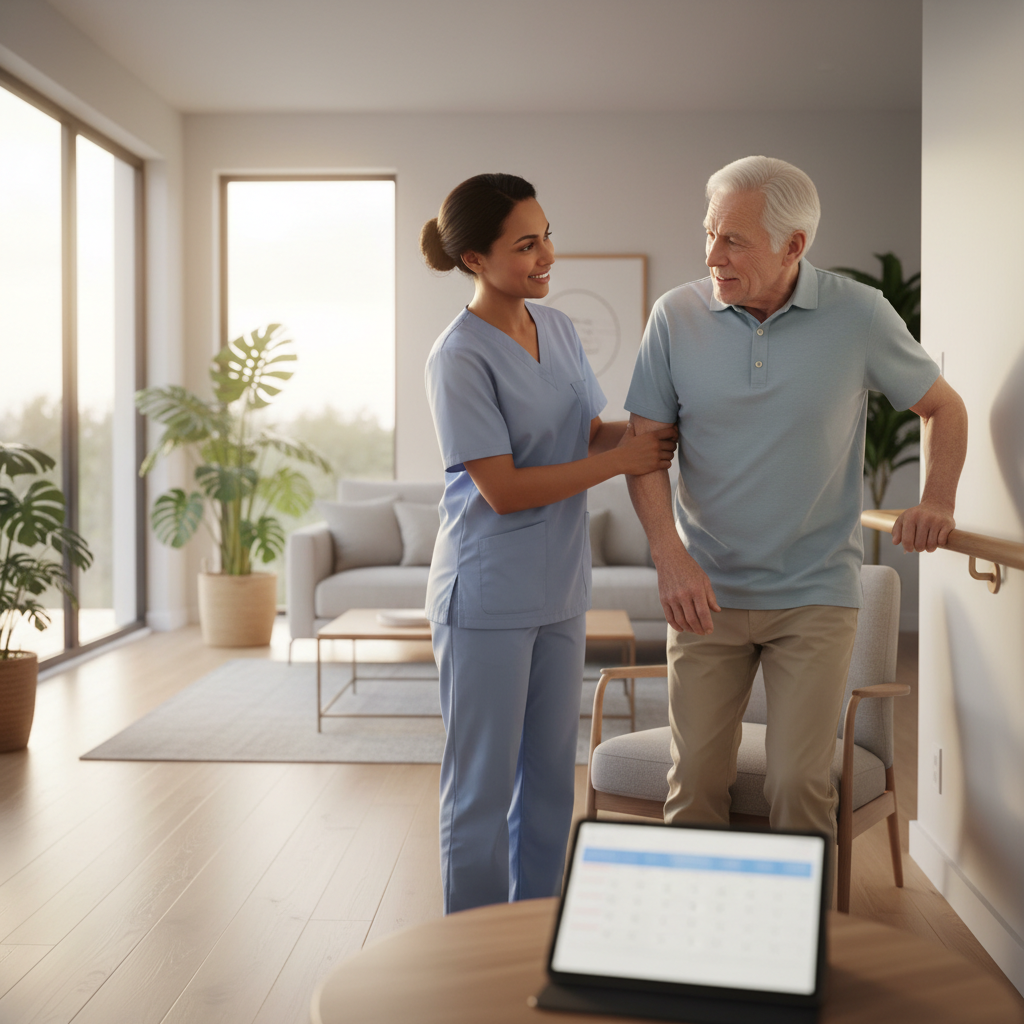
Living in a familiar setting can significantly reduce stress and anxiety. Older adults are surrounded by cherished memories and personal belongings that offer a comforting reminder of their life's journey. This continuity is vital, as it helps maintain a stable emotional state, reducing the risk of depression and loneliness.
Cost-Effectiveness of Aging in Place
Beyond emotional benefits, aging in place can be economically advantageous. The cost of living in a nursing home or assisted living facility can be substantial. By staying at home, seniors may avoid these high expenses and instead use their resources to make necessary home modifications or hire in-home care services.

Here are some potential cost-saving benefits:
- Reduced monthly living expenses.
- Potential to retain property value.
- Flexibility to hire caregivers as needed.
Maintaining Independence and Control
One of the most significant advantages of aging in place is the ability to maintain independence and control over daily life. Seniors can continue their routines, engage in hobbies, and interact with their community, all of which contribute to a fulfilling lifestyle.
Independence allows older adults to make personal choices about their daily activities, meals, and schedules. This autonomy is empowering and has been linked to a higher quality of life and increased satisfaction.
Adaptable Living Spaces
Many homes can be adapted to accommodate the needs of aging adults. Simple modifications, such as installing grab bars, widening doorways, or adding ramps, can make a significant difference in safety and accessibility. These changes enable seniors to navigate their homes with ease and confidence.
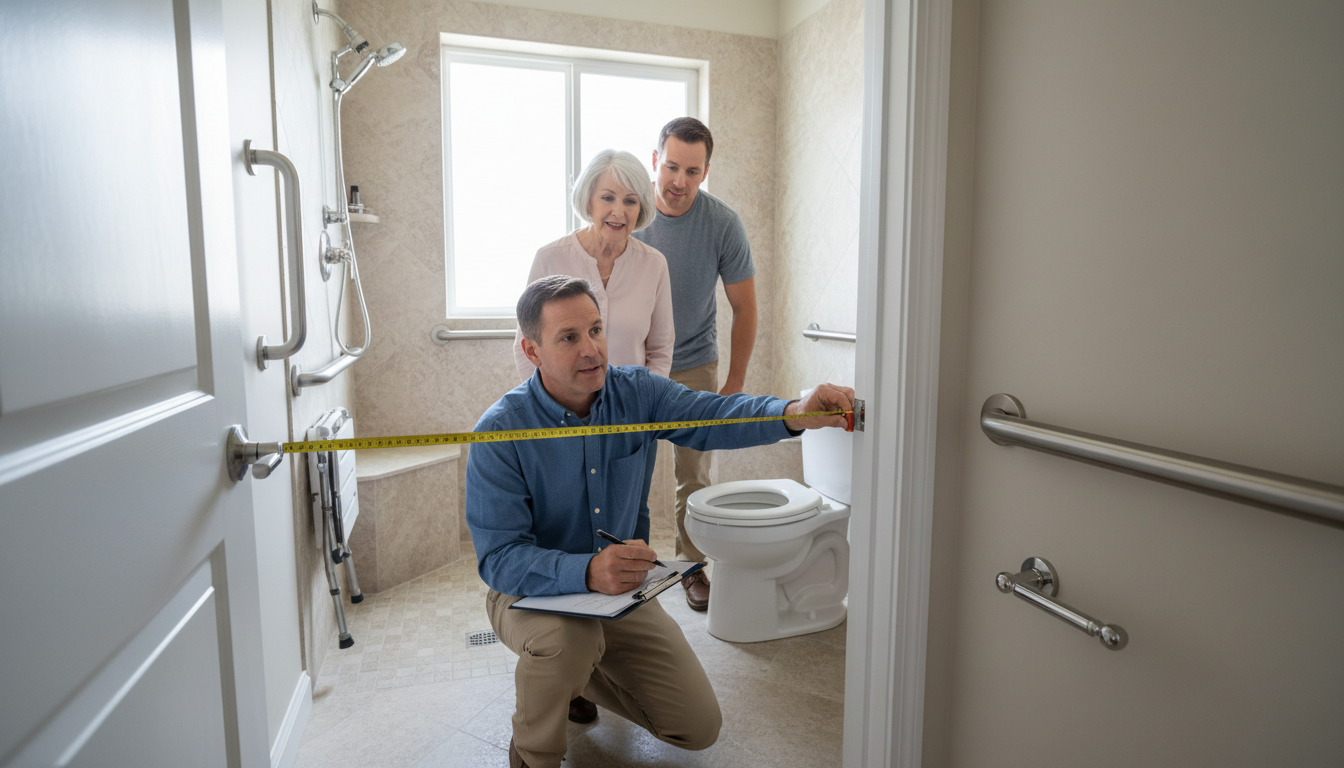
Moreover, technology plays a pivotal role in supporting seniors at home. From smart home devices to medical alert systems, technology can provide added security and peace of mind for both seniors and their families.
Strong Community Ties
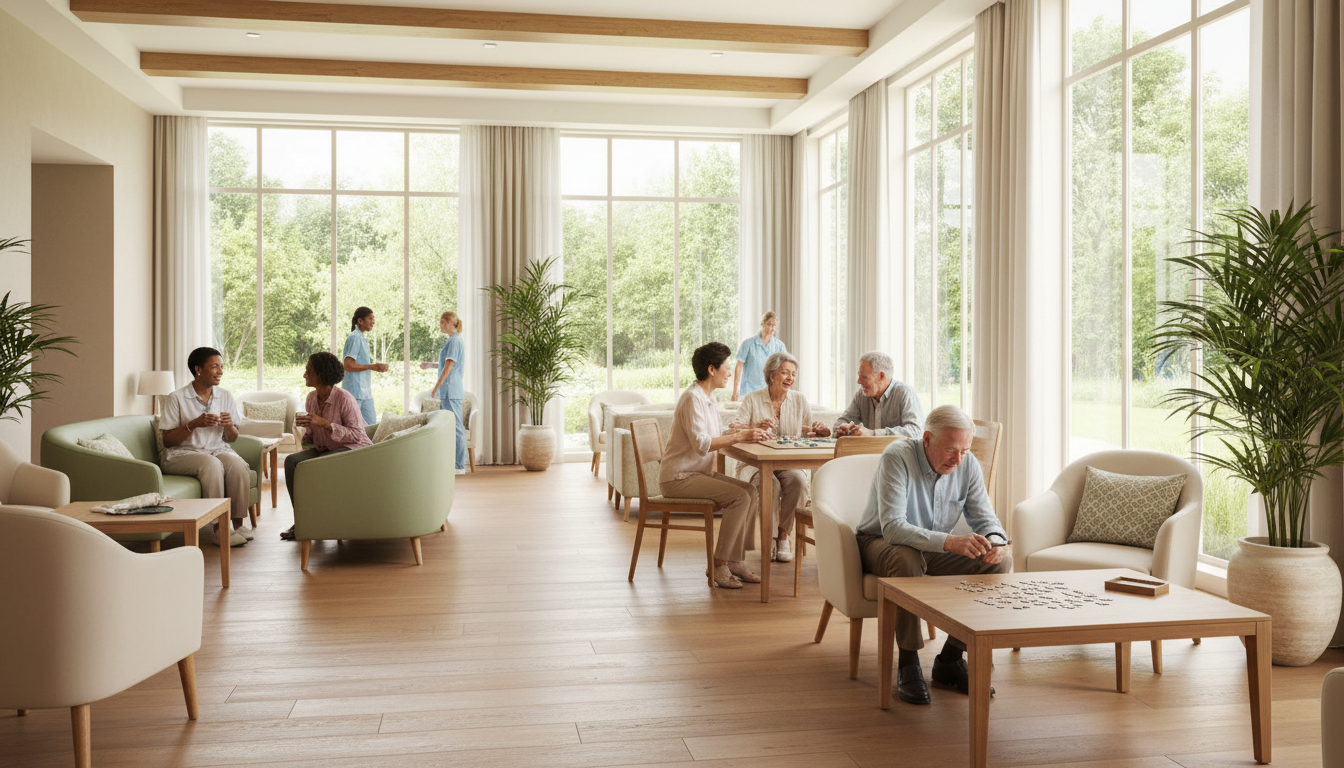
Aging in place often means staying connected with a familiar community. This connection can be invaluable, providing social support and engagement opportunities. Regular interactions with neighbors, friends, and local organizations help combat isolation and promote a sense of belonging.
Community programs and services designed for seniors can further enhance this connection, offering activities and resources that cater to their needs and interests.
Conclusion
Aging in place offers numerous benefits, from emotional and financial advantages to maintaining independence and community ties. By staying in a familiar environment, seniors can enjoy a quality of life that supports their well-being and happiness. As society continues to recognize these benefits, more resources and services are becoming available to support aging in place, ensuring that seniors can live comfortably and confidently in their own homes.